
California fire code
California's current fire code is the 2025 California Fire Code, in effect for buildings starting January 1, 2026. When your building faces an inspection, construction, or a permit request, this is the version the inspector will measure it against.
Code in force: 2025 California Fire Code (2024 IFC base). Enforced by: Office of the State Fire Marshal (OSFM). Your local fire marshal can add rules, so check with that office too.
- state fire code edition in force 2025 California Fire Code
- effective date for the 2025 edition January 1, 2026
- base model code for the state 2024 International Fire Code
- agency writing state fire safety rules State Fire Marshal
Asking about a house? For a house or duplex, smoke alarm and sprinkler rules usually come from the residential building code (the IRC) instead, so ask your local building department.
Where the 2025 edition fits
California groups its building rules into Title 24, known as the California Building Standards Code, and the fire code makes up Part 9 of it. The 2025 edition of Title 24 became enforceable on January 1, 2026.
The state doesn't build its fire code from scratch. It begins with the International Fire Code, a national model that states and cities may adopt and adjust. The 2025 California Fire Code rests on the 2024 International Fire Code, with changes specific to California layered on top.
Update cycles for California's fire rules
Title 24 gets revised on a regular calendar. The rulemaking now underway is the 2027 triennial cycle, which follows the 2024 triennial cycle, then the 2025 intervening cycle.
You may still see older versions floating around the internet. Take the 2013 California Fire Code, which rested on the 2012 International Fire Code. That version no longer governs your building, so make sure any advice you get refers to the 2025 code.
State fire marshal
Operating as a CAL FIRE program, the Office of the State Fire Marshal works across the state on fire prevention and engineering, plus training, education, and enforcement.
This office drafts the fire and life safety provisions that land in Title 24, the fire code included. Its work is guided by the State Building Standards Law. It also writes building standards for places where people gather, institutions, schools, homes, high-rises, and buildings housing State employees.
Certain State Fire Marshal regulations from Title 19, Division 1 appear reprinted inside the fire code as a convenience. Those rules keep their own scope, applicability, and appeals procedures.
Who enforces the fire code?
The organization that drafts the model code holds no enforcement authority. Only the authority that enacts the code into law has the power to enforce it.
A number of state agencies adopt or modify pieces of the model code, and the chapters each one can touch depend on its legal authority. In practice, which rules reach your building hinges on how the building is used. A quick call now can show you which rules apply to your building before an inspector arrives.
Fire rules in Los Angeles County
The county fire department uses a local fire code of its own, Title 32 of the County Code. It covers 60 cities and is governed by the Fire Protection District Law of 1987.
The Fire Prevention Division employs 175 staff, headed by an Assistant Fire Chief acting as the department's Fire Marshal. The county divides its work this way:
- North, Central, and East regional units cover new construction inspections, yearly business inspections, and minor plan reviews.
- Schools, hospitals, care facilities, and similar buildings get an annual check from the Schools and Institutions Unit.
- The Petroleum/Chemical Unit permits and inspects sites that handle hazardous materials and explosives.
- The Public Safety and Film Unit issues roughly 4,000 film permits and 400 special-effects permits each year.
Under the county's current fire code, fire access calls for a driveway at least 15 feet wide. A driveway that falls short can stall your approval, so it's best handled early. Give us a call now so we can check your site against that requirement.
Fire permits in the City of Los Angeles
In the city, a fire permit passes through the Office of Finance and zoning ahead of any approval from the fire department.
- Get your Business Referral Slip at the Office of Finance first.
- Have zoning approve the slip.
- Bring the approved slip back to the Office of Finance and pay the fire permit fee.
- Once that's done, the Los Angeles Fire Department issues your fire permit.
Child care centers get their permit from the Office of Finance, which mails it out once approved. Annual permits can be renewed online, though a credit card is required.
Licenses for sprinkler and extinguisher work
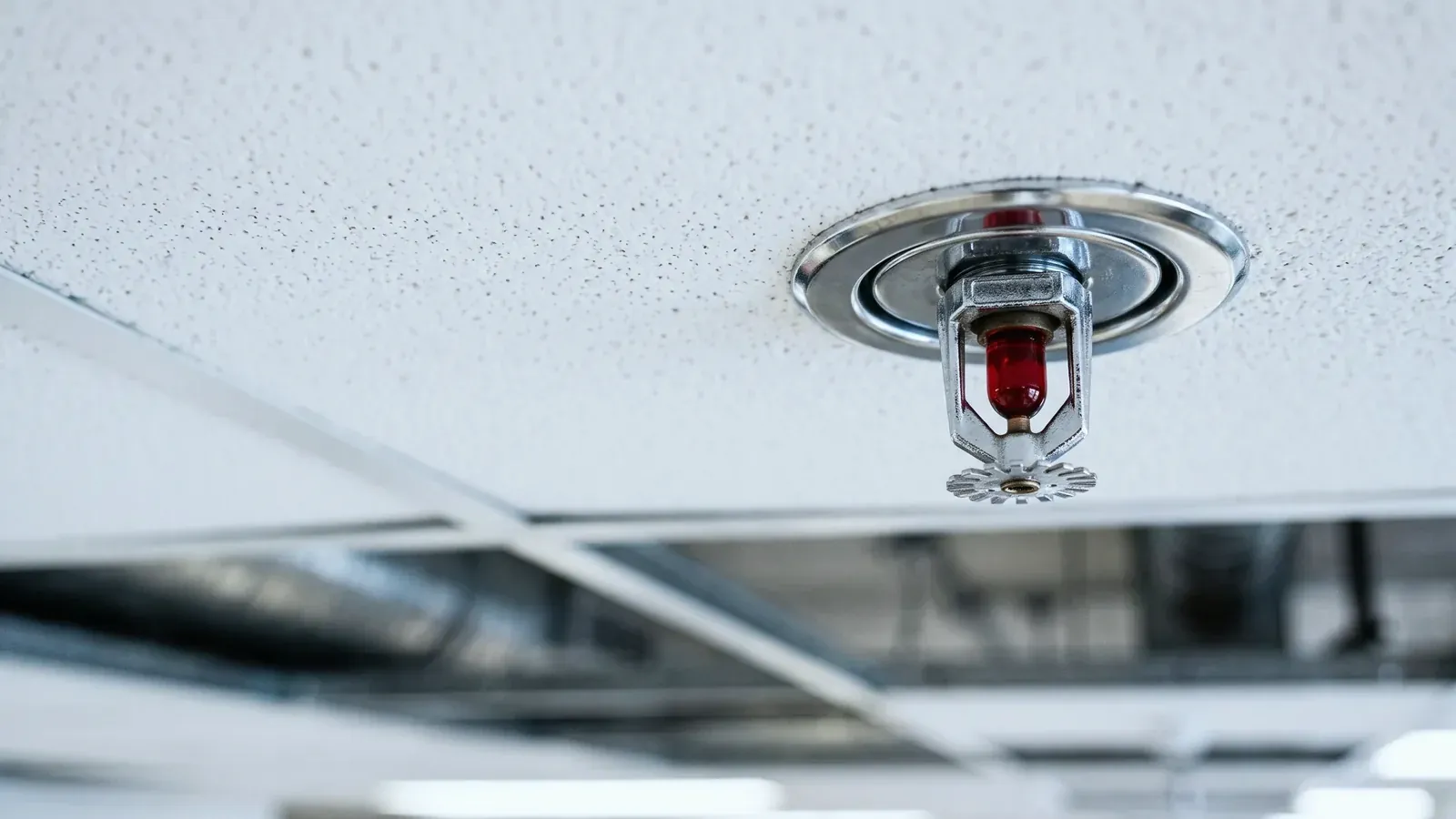
Health and Safety Code section 13195.5 requires that anyone who tests or maintains automatic fire extinguishing systems, sprinklers included, must be licensed by CAL FIRE-OSFM, or by the California Contractor's State License Board. Those licenses are issued only to applicants who satisfy fixed experience and training criteria. The systems must also meet state standards and carry a label from an approved testing lab.
Any portable fire extinguisher sold or serviced in California must also bear a label from an OSFM-approved testing laboratory. A business that services extinguishers for payment must hold a concern license, the state license for that line of work, plus a separate one per location.
Every technician needs a Certificate of Registration too, which is the state's individual authorization to service extinguishers. Earning it means passing a written exam through Pearson VUE, proving experience, and maintaining proper testing equipment and parts. License status can be verified through the state's GOVmotus system. Equipment without labels or work done without a license can count against you at inspection, so give us a call now and let licensed technicians take care of yours.