
Florida fire code
Florida's fire code is called the Florida Fire Prevention Code, and it covers buildings all over the state. Not sure what the code means for your building? Call us today and we'll walk you through what you need to do, and what to do first.
Code in force: Florida Fire Prevention Code 8th Edition (2023). Enforced by: State Fire Marshal. Your local fire marshal can add rules, so check with that office too.
- active state fire code edition 8th Edition (2023) FFPC
- effective date for the 8th edition December 31, 2023
- state office that adopts the code State Fire Marshal
- national standards adopted into state rules NFPA 1 and NFPA 101
Asking about a house? For a house or duplex, smoke alarm and sprinkler rules usually come from the residential building code (the IRC) instead, so ask your local building department.
Rules across the state
The State Fire Marshal sets the code for the whole state by rule, under section 633.202 of Florida law. It applies everywhere in the state, with no local vote needed. NFPA 1 covers fire prevention nationwide, while NFPA 101 is known as the Life Safety Code; Florida adopts the latest version of each.
Every three years a new edition comes out. The 8th is the current edition, and it became effective December 31, 2023.
Tents of 900 square feet or less don't have to comply. Radio signal strength checks in existing buildings can't be required more often than every 3 years for high-rises and buildings over 12,000 square feet, and every 5 years for other existing buildings.
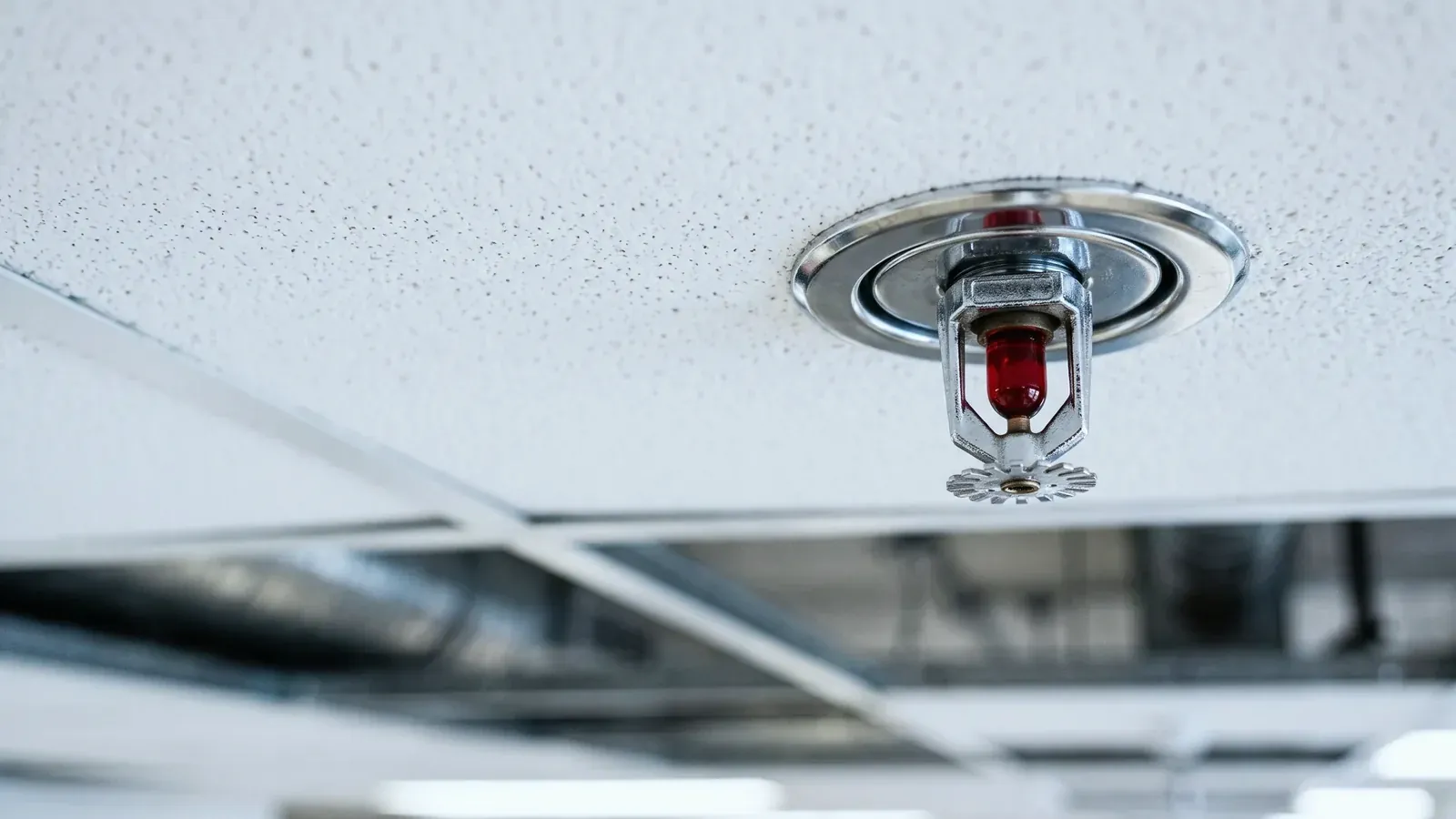
Local code amendments
Cities and counties may add their own rules, but those rules can only make the state code tougher. Once a local government adopts an amendment, it has 30 days to send it to the Florida Building Commission along with the State Fire Marshal.
A local amendment stays in force only until the next three-year edition takes over. Disagree with a code interpretation for your building? You can request an expedited declaratory statement, an official written ruling on how the code applies, and a ruling must come within 45 days.
Who is allowed to inspect sprinklers and service extinguishers?
Employees of Contractor I or II firms who inspect water-based fire protection systems must hold a state Water-Based Fire Protection Inspector permit. While inspecting, they must carry both that permit and a photo ID, so feel free to ask to see them.
The State Fire Marshal asks for NICET Level II certification covering the inspection and testing of fire protection systems, or a credential considered equivalent. NICET is a nationwide certification for fire protection technicians. People still training can work under a provisional permit, which lasts two calendar years.
Anyone who services or installs fire extinguishers or preengineered systems must hold a state license, plus a state permit for each technician. The Class D license covers preengineered systems. All of these licenses and permits run out on December 31 in odd-numbered years, and renewing means 16 hours of continuing education.
If your property is a detached one- or two-family house, or a mobile home that has sprinklers, then inspection and testing fall on you.
| Credential | Required liability coverage |
|---|---|
| Contractors I, II, III, and V | Half a million dollars |
| Contractor IV | A quarter million dollars |
| Class A and Class D licenses | $300,000 |
Wondering whether your current provider is properly credentialed? Give us a call and we'll get that verified ahead of your next inspection.
Orlando fire rules
Orlando operates under its own City of Orlando Fire Code. The Fire Life Safety Division handles fire plan reviews, inspects every commercial building, enforces the code, and handles occupancy certificate inspections for both new and existing businesses. Variance requests go through it too, and a Building & Fire Codes Board of Appeal exists.
For fire suppression, fire alarm, and fire sprinkler work, you'll need to get a fire permit through the building permit department run by the city. This covers things like clean agent setups, wet chemical hood systems, standpipes and overhead sprinklers, plus underground mains. Alarm systems, whether new or renovated, also require an electrical low-voltage permit, with alarm plans following NFPA 72.
On underground fire work, the installing contractor turns in its own shop drawings, since civil engineer design plans won't be accepted. Buildings under construction must get a radio signal survey test, and the city must authorize any radio signal test.
Food trucks in Orlando must clear a fire safety inspection twice a year. Knox Boxes are installed and key-controlled by the fire department.
Broward County fire rules
The Broward County amendments cover the whole county, incorporated and unincorporated areas alike. These amendments applied to the 6th Edition and took effect March 19, 2018, so check whether they were readopted before treating them as current. Buildings and premises must get a fire inspection at least annually.
Any hurricane protection device that blocks an exit, light, or ventilation must be taken down within 15 days once a hurricane watch or warning is over. The fire department must accept the work and the fire systems must pass their tests ahead of the final structural inspection and the certificate of occupancy.
Breaking the fire code is a misdemeanor, punishable by a $50 to $500 fine or as much as 60 days in jail. County fire inspectors need county board certification, good for 4 years. Detached one- and two-family homes don't need fire plans examiner review.
Disagree with a Broward board decision? Challenge it by requesting a declaratory statement from the State Fire Marshal's Office.
Got an inspection or citation coming up? Call now to get ready before that date.
Getting ready for your next inspection
The easiest place to begin is a quick call to us. We'll tell you which rules apply to your building and help you get ready before the inspector arrives. Building something new? Book the fire acceptance tests ahead of your final structural inspection, because they have to happen first.
Ask any technician who shows up for their state permit and photo ID. Hold on to your inspection reports, since Orlando handles public records requests for them.