
Nebraska fire code
Nebraska's fire code rests on the 2012 editions of two national standards, NFPA 1 and NFPA 101, plus amendments the state added on its own. Own or run a building and not sure which rules touch you? Call now and you'll reach a Nebraska-based fire protection contractor who knows this code inside and out.
Code in force: NFPA 1 and NFPA 101, 2012 editions. Enforced by: Nebraska State Fire Marshal. Your local fire marshal can add rules, so check with that office too.
- base fire and life safety codes NFPA 1 and 101, 2012
- state agency that reviews plans and inspects State Fire Marshal
- rule for fire alarm inspector licenses Title 153, Chapter 6
- late charge for starting work before review $100 plus 50% fee
Asking about a house? For a house or duplex, smoke alarm and sprinkler rules usually come from the residential building code (the IRC) instead, so ask your local building department.
What fire code does Nebraska follow?
Under state law, the State Fire Marshal must put the Nebraska State Fire Code into rule. That code had to generally match NFPA 1 Fire Code, 2012 edition by July 1, 2019, and it also lines up with the 2012 edition of NFPA 101 (the Life Safety Code).
NFPA stands for the National Fire Protection Association, the group that writes these standards. Nebraska publishes its amendments for both books, so follow the state version.
Sites owned by the public and listed on the National Register of Historic Places fall under it as well. Call now and our team will explain what that means for your building.
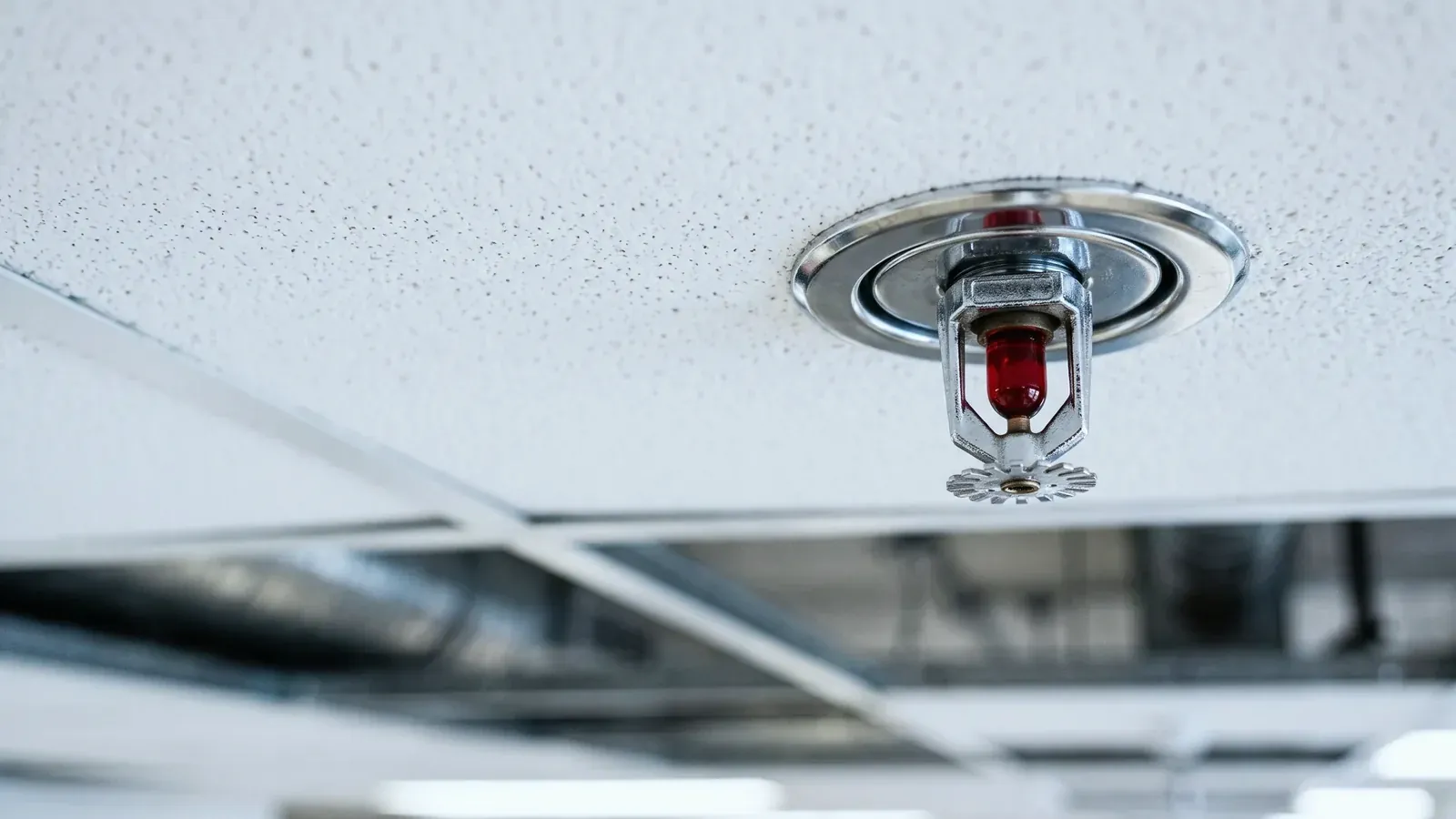
How the State Fire Marshal reviews plans and enforces the code
Enforcement happens through inspections, code compliance work, and orders from the State Fire Marshal. The office reviews plans too, checking them against the State Fire Code. Those plan review rules sit in Title 153, Chapter 21, updated 9/2/25.
When you send plans matters. Plans that arrive after remodeling or construction has started carry a late fee of $100 plus half of the plan review cost. Send them in before work begins and you skip that charge.
Certain cities and counties have building officials who conduct Title 156 plan reviews, and the State Fire Marshal keeps a list of them. For fire alarm projects, the office also offers an information sheet explaining what has to be in those plans.
Unsure which office should get your plans? Call now and we'll steer you to the right one.
State licenses and certifications: who needs them?
Anyone installing, repairing, altering, maintaining, or inspecting water-based systems like sprinklers must hold the Water-Based Fire Protection Contractor's Certification. Requirements include:
- Liability insurance of $1,000,000 or more.
- A responsible managing employee (RME) who serves as an owner, partner, or managing officer.
- That RME must hold NICET Level III or IV. NICET is a national program that certifies fire protection technicians.
- An open-book exam administered online through Webex.
This certification runs out every September 30. Get your renewal application in at least 30 days ahead of that date or you'll face retesting.
Anyone who inspects fire alarm systems must be licensed under Title 153, Chapter 6.
| Sprinkler contractor | Alarm inspector | |
|---|---|---|
| Regulation | Chapter 19 of Title 153 | Chapter 6 of Title 153 |
| Exam drawn from | NFPA 13 & 13R (2010); NFPA 20 (2010); NFPA 25 (2011); the 2012 NFPA 101 | the 2010 NFPA 72 and the 2012 NFPA 720 |
| Length | Renews yearly, ending September 30 | 4 years |
| Fee | No fee published | $100, or $25 for each year of NICET certification |
To qualify, inspector applicants pass a test, hold NICET Level II or above, or hold ESA CFAT Level II. Exams are given once a month on the third Tuesday at sites in Lincoln, Omaha, Grand Island, and North Platte. Alarm installers aren't licensed by the State Fire Marshal. That falls to the State Electrical Division.
Omaha fire inspector duties
In Omaha, fire inspectors enforce municipal fire codes along with related ordinances on building construction, alteration, and repair. They are not sworn fire department members. The role requires 5 years of experience, and within a year of hire you must hold NFPA Certified Inspector I or an equivalent credential.
In the field, their work covers:
- Liquor license checks
- Kitchen hood code compliance
- Fire alarm and sprinkler system compliance
- Final inspections for homes, businesses, schools, and hospitals
The team also reviews plans and specifications, and they look into fire code complaints filed by the public. Reports and recommended corrective actions go up to the Assistant Fire Marshal.
Have an Omaha inspection on the calendar or corrective actions in hand? Call now and a Nebraska fire protection contractor will get to work on it.